|
|
Posted By RCI,
Tuesday, August 7, 2012
Updated: Monday, May 4, 2020
|
Doesn't it seem like something always breaks right before, or even during, your busy season? While sometimes that is just going to happen, oftentimes breakdowns can be avoided by scheduling regular maintenance check-ups for your equipment and machinery.
To create a basic maintenance schedule, you can use a spreadsheet program such as Microsoft Excel and create a simple tracking sheet. Column headings could include machinery name and/or serial number while the rows list the date a check-up is needed. Then, the employee overseeing the maintenance or check-up would initial in the corresponding box. You could use the different tabs to divide out your equipment by department, or if it’s easy to fit all equipment on one tab you could use a different tab for each year. We’ve created a very basic sample to help you get started. As a starting point, we have inserted monthly checks but we recommend checking the manufacturer’s guidelines for each of your equipment to make the best plan for your company.
In addition to avoiding untimely breakdowns, equipment maintenance programs also ensure your product and consumer’s safety and reduce unexpected maintenance repairs. Be sure to check out this website on preventative machinery maintenance for thorough advice and reasoning for creating a complete maintenance program for your company.
One last thing: Don’t forget about regular check-ups of office items as well, including printers, carts, etc. You don’t want the copier or printer broken just as you’re about to print invoices for the month or reports for the year; or the two-wheel cart needed to transport product from store to store to be found with flat wheels.
Do you have tips for scheduling maintenance check-ups? Leave us a comment below!
Did you know that equipment maintenance is one of the many facets of HACCP planning? RCI members can access videos of past education sessions discussing GMP and HACCP plans on the member side of the RCI website under ‘past education sessions’.
Tags:
Candy Making
GMP's
Organizing
Owning a Business
Productivity
Quality Control
Permalink
| Comments (0)
|
|
|
Posted By RCI,
Tuesday, July 24, 2012
Updated: Monday, May 4, 2020
|
This week’s tip is quick and will also hopefully have a quick return for you as well!
From chocolate-covered pretzels to potato chips, many of your products have crumbs that oftentimes get tossed aside as waste. Why not take those crumbs or by-products and turn them into a new product? For example, use the crumbs and coat them in chocolate and you still have the sweet and salty combo that everyone loves. Come up with a unique name and packaging for it and then you have a new product!
We’ve heard of stores that sell out of these great products that almost didn’t make it to the shelves! So go grab those pretzel crumbs before someone tosses them out!
Tags:
Candy Making
Packaging
Productivity
Permalink
| Comments (0)
|
|
|
Posted By RCI,
Tuesday, July 10, 2012
Updated: Monday, May 4, 2020
|
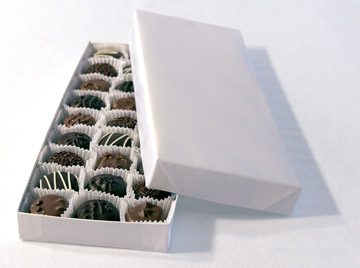
Are you tempted to eat your chocolates as you walk by the packaging line? We have a great reason for you not to avoid the temptation to be a frequent taste tester of your products: quality and consistency. As the owner or manager of your candy store, you want to have complete confidence that the products you are selling are not only delicious, but that that they are the same level of quality and flavor each time.
Your customers expect that when they purchase a box of toffee this week and then come back a month later that they will be purchasing a product just like what they purchased before. Therefore, it’s extremely important that you regularly taste your candies to be sure they not only meet your standards but that they don’t change in flavor.
If you have a quality control manager, having a consistent taste testing program would be a great thing for him or her to oversee. The frequency for taste testing may vary depending on how often you produce a particular product but at least weekly would be the minimum recommendation.
You’ve taken the time to achieve a great flavor so take the time to be sure it’s consistently the same great flavor your customers have come to expect.
Tags:
Candy Making
GMP's
Photos
Quality Control
Permalink
| Comments (0)
|
|
|
Posted By RCI,
Tuesday, May 22, 2012
Updated: Monday, May 4, 2020
|
Summertime is just around the corner so we have rounded up some fun product ideas for you to incorporate in your candy store this year.
- Chocolate Flip-flops – Use colored chocolate to draw flip-flop straps on Nutter Butter cookies covered in chocolate and package with cello bags and colorful bows.
- Summertime-themed moulds – Take advantage of the hundreds of chocolate mould options available to candy makers. Incorporate items unique to your area that tourists may enjoy such as palm trees for a tropical area.
- Incorporate Seasonal Foods – Fruits and vegetables are great in the summertime. Pay a visit to your local farmer’s market to see what seasonal ingredients you can incorporate into your products.
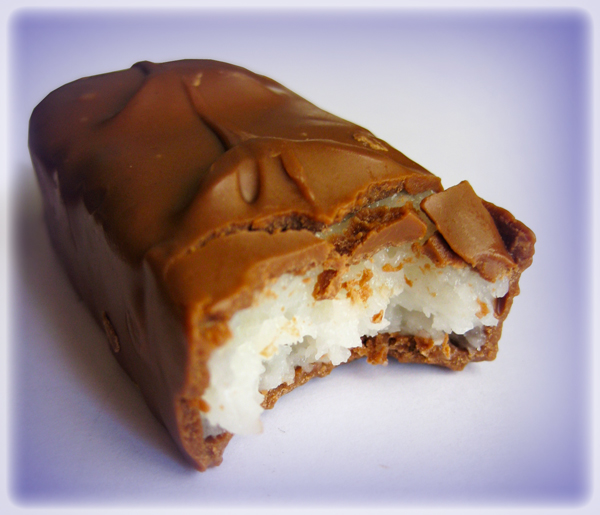
- Seasonal Flavors – Use flavors that invoke the memories, images and feel of summer. For example, coconut flavors nearly always bring images of the beach to mind so you could create a coconut-themed item and even have fun with the merchandising to have a beach theme.
If you have more ideas, please share them with each other by leaving a comment. If you are you looking for a supplier of seasonal items, RCI members can use the RCI Buyer's Guide to find supplier members who provide just what you need!
Tags:
Annual Convention
Candy Making
Marketing
Merchandising
Packaging
Permalink
| Comments (0)
|
|
|
Posted By RCI,
Tuesday, May 8, 2012
Updated: Monday, May 4, 2020
|
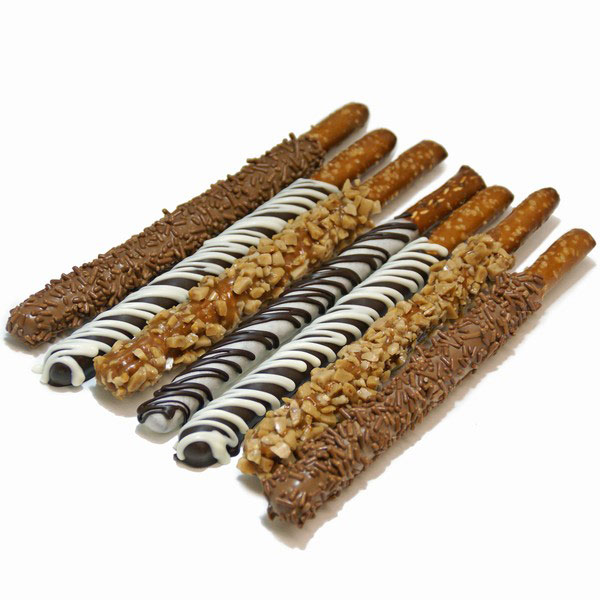
Everything is better covered in chocolate, right? We agree! If you’re taking the ever-popular sweet and salty route and covering pretzels in chocolate, we have a tip that will help keep the chocolate from cracking once the pretzels are covered. Open your bag of pretzels and leave it open the night or day before you plan to enrobe them. By allowing the pretzels to get slightly stale, you are removing moisture which helps prevent surface cracking in the chocolate.
Happy pretzel-dipping!
Do you have additional tips for the perfect chocolate-covered pretzel? Please share by leaving a comment below!
Tags:
Candy Making
Photos
Permalink
| Comments (0)
|
|
|
Posted By RCI,
Tuesday, April 24, 2012
Updated: Monday, May 4, 2020
|
We’re busy planning and preparing for our upcoming Annual Convention and Industry Expo in San Francisco, June 11 through 15. This week’s tip is to join us there!
What can you expect at an RCI Annual Convention?
Industry Tradeshow – Meet face to face with confectionery industry suppliers and learn about the new and innovative products on the market. The tradeshow is FREE to confectionery industry professionals so print your free tradeshow ticket (insert link) and make plans to join us!
Networking – Connect with others in the industry throughout the week through a variety of networking opportunities. New this year, we have an evening set aside just for the next generation of industry leaders.
Education – We are excited to have education session topics including packaging, natural products, HACCP planning plus more. Additionally, we have a great idea-sharing session for RCI members called Candy Clinic and a question and answer session with a panel of industry experts.
Behind-the-scenes Tours – The last two days of the convention are filled with tours of area candy stores and suppliers. You’ll want to have a notebook in had because the ideas you can take back to your stores are endless.
Tags:
Annual Convention
Candy Making
GMP's
Packaging
Productivity
Technology
Permalink
| Comments (0)
|
|
|
Posted By RCI,
Tuesday, April 17, 2012
Updated: Monday, May 4, 2020
|
Are you looking for the perfect book to teach you how to make and work with candy or chocolates? Well, of course, there is no such thing as perfect, but we can tell you that the following books have been highly recommended to candy makers by industry experts so we feel very comfortable telling you about them.
- Choice Confections by Walter Richmond
- Candy Making for Dummies by David Jones
- The Art of the Chocolatier by Ewald Notter
- The Art of Chocolate by Elaine Gonzalez
- Chocolates and Confections by Peter Greweling
While you can search online for used books, one of the best resources out there for confectionery books is MC Publishing. Click here to visit their online store.
Do you have other recommended books about chocolate and candy making? Please take a moment to share them in the comments below. We’d love to add them to our must-read list!
Tags:
Candy Making
Productivity
Permalink
| Comments (0)
|
|
|
Posted By RCI,
Tuesday, April 10, 2012
Updated: Monday, May 4, 2020
|
With Cinco de Mayo just around the corner, get prepared to add some spice to your confections. You can add spice to nearly anything – from truffles to bark to peanut brittle. Have fun with it!
Some ideas for adding a hint of spice: red paper flakes, cinnamon, melted cinnamon red hots, ground chili powder or you can buy chili pepper flavor oils. Take a day and experiment in the kitchen to see what flavors blend best with your products. Don’t forget about the all-important taste test – get a number of people to test your creations before putting them up for sale.
Don’t forget to top off your creations with red paper flakes for added presentation! (And so that no one picks it up and gets a big surprise in their mouth)!
Tags:
Candy Making
Marketing
Merchandising
Permalink
| Comments (0)
|
|
|
Posted By RCI,
Tuesday, March 27, 2012
Updated: Monday, May 4, 2020
|
The subject of packaging could easily cover multiple blog posts so we are just focusing on one of the many important factors to consider today.
Did you know that the inks in your packaging as well as the type of packaging (cello, cardboard, etc.) you choose could affect the taste of your chocolates and candy? You may have a delicious chocolate treat and then put it in a beautiful package but after it has been in the package for a short time, it may begin to take on the taste of the cardboard, for example. That means your customers may not be tasting the true flavor of your confections.
So, how does one go about determining if your confections taste different because of packaging? A taste test, of course.
Sample your products before packaging them and then test different packaging methods. Keep your confections in the package for as long as they would normally be on the shelf and then at the end of that period begin your taste test. Be sure that you have a ‘control’ confection so that you first taste what your product should taste like and then taste the ones that have been in the packaging. Do they taste the same? If not, there are many variables to consider but one of them should be to talk with your packaging supplier about options. You want the beauty of your packaging to match the wonderful taste of what’s inside.
Do you need new packaging ideas? As an RCI member, you can find packaging suppliers in the annual Membership Directory and Buyer’s Guide. If you’re not an RCI member, why haven’t you joined? Find more information about joining by visiting retailconfectioners.org/join.
Tags:
Candy Making
Marketing
Packaging
Permalink
| Comments (0)
|
|
|
Posted By RCI,
Thursday, March 15, 2012
Updated: Monday, May 4, 2020
|
Does your chocolate make a bit of a mess when shaking out the excess chocolate from your molds like this photo? Sure, you have parchment paper to catch the chocolate as it falls but it probably still lands in other undesired places. A quick and cheap shopping trip for a small or medium plastic storage tub will help take care of this problem. Set the tub on your work table and set your mold upside down on top of the tub so gravity can drain the chocolate. Be sure to get a tub that has a wide enough opening at the top that your mould will easily fit down into. When you are ready to shake the excess chocolate from your moulds, place the mould down into the tub so that as you shake it all of the chocolate that flies out will land in the tub - not on you, the floor or the table. Plus, if you line your entire tub with parchment paper, when the chocolate hardens you can easily peel it away to be reused. Less mess and less waste!
We’ve got to give credit where credit is due. We picked up this tip from one of our Chocolate Boot Camp instructors. Thanks, Dennis Witzel, Linnea’s Cake & Candy Supplies, Inc.!
Tags:
Candy Making
Cleaning
Productivity
Permalink
| Comments (0)
|
 Print Page
 Blog Home
 All Blogs
 RSS
RSS